When refering to evidence in academic writing, you should always try to reference the primary (original) source. That is usually the journal article where the information was first stated. In most cases Physiopedia articles are a secondary source and so should not be used as references. Physiopedia articles are best used to find the original sources of information (see the references list at the bottom of the article).
If you believe that this Physiopedia article is the primary source for the information you are refering to, you can use the button below to access a related citation statement.
Sarcopenia is a progression of loss of skeletal muscle mass and function commonly, but not exclusively, associated with advancing age. It can lead to decline in physical function and mobility as well as to increased risk of adverse outcomes including falls, fractures and premature mortality. [1][2].
Irwin Rosenberg first used the word ‘sarcopenia’ (Greek ‘sarx’ or flesh + ‘penia’ or loss) in 1989 to describe age-related loss in lean muscle mass[3]. However, it was not until 2019 that sarcopenia was officially recognised as a disease with its own ICD - 10 code (M62.84)[4]. Irwin Rosenberg’s first description of sarcopenia only includes appendicular lean muscle mass assessed using dual-energy X-ray absorptiometry (DEXA). Recent definitions, supported by several international expert groups, included loss of both muscle mass and function[5]. Sarcopenia leads to disability, falls, and increased mortality[6].
Prevalence rates range from 5 to 13% in those aged 60–70, escalating to 11–50% in individuals over 80, with an accelerated decline in muscle mass beginning around 50 years of age and strength at 65. [7]
Men generally exhibit a higher prevalence in earlier decades, but this trend reverses in older age groups, despite men experiencing a faster rate of muscle loss. [8]
Sarcopenia most commonly affects the elderly and sedentary populations and patients who have comorbidities that affect the musculoskeletal system or impair physical activity[9].
Sarcopenia has been linked to an increased prevalence of osteoporosis, thus further increasing its propensity to produce fractures.[2]
Physical inactivity, poor nutrition, and vitamin D deficiency are modifiable risk factors, while aging, genetics, and hormonal changes are non-modifiable contributors. [10]
Even with a conservative estimate of prevalence, sarcopenia affects >50 million people today and will affect >200 million in the next 40 years[11].
It was found that relative muscle power began to decrease above age 40 in both men and women with an increase in Body Mass Index (BMI), based on 1,305 subjects (729 women and 576 men; aged 20–93 years) participating in the Copenhagen Sarcopenia Study [12].
Strength training should be considered a first-line treatment strategy for managing and preventing sarcopenia[13]
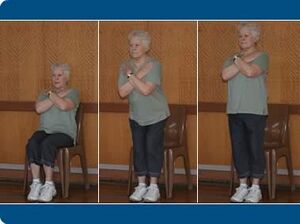
Sit-to-stand training is an effective, safe, and convenient strength training to improve muscle function and generate adaptations in muscle architecture [14].
Types of Sarcopenia
Depending on its pathophysiology, Sarcopenia is of two types:
Probable sarcopenia: This is caused by low muscle strength.
Confirmed Sarcopenia: Identified by low muscle quantity/quality that occurs during the aging process.
Severe sarcopenia: This occurs due to the presence of an underlying disease or medication and low physical performance. [15]
Risk Factors
Sarcopenia is considered by most to be an inevitable part of ageing. However, the degree of sarcopenia is highly variable and is dependent upon presence of certain risk factors:
Lack of exercise is believed to be the foremost risk factor for sarcopenia. A gradual decline in myocyte numbers begins around 50 years of age. The decline in muscle fibre and strength is more pronounced in patients with sedentary lifestyle as compared to patients who are physically more active. Even professional athletes such as marathon runners and weight lifters show a gradual (more slow) decline in their speed and strength with ageing.
Age-related decreases in hormone concentrations (eg testosterone, thyroid hormone and insulin-like growth factor) lead to loss of muscle mass and strength. Extreme muscle loss often results from a combination of diminishing hormonal anabolic signals and promotion of catabolic signals mediated through pro-inflammatory cytokines.
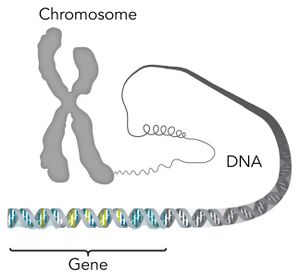
A decrease in the body's ability to synthesise protein, coupled with inadequate intake of calories and/or protein to sustain muscle mass, is common in sarcopenia. Oxidised proteins increase in skeletal muscle with ageing and lead to a buildup of lipofuscin (yellowish brown, pigmented, insoluble granules).[16]The age-related increase in amounts of oxidised protein may reflect the age-dependent accumulation of DNA damage that affects the concentrations or activities of numerous factors that govern the rates of protein oxidation and the degradation of oxidised protein[17]. This accumulation of non-contractile dysfunctional protein in skeletal muscles is part of the reason muscle strength decreases severely in sarcopenia.
Motor Unit Remodelling:
Age-related reduction in motor nerve cells responsible for sending signals from the brain to the muscles to initiate movement also occurs. Satellite cells are small mononuclear cells that abut muscle fibres and are normally activated upon injury or exercise. In response to these signals, satellite cells differentiate and fuse into the muscle fibre, helping to maintain muscle function. One current hypothesis is that sarcopenia is caused, in part, by a failure in satellite cell activation. [11]
Histopathology
Early sarcopenia is characterised by a decrease in the size of muscle and muscle tissue. Changes include:
Replacement of muscle fibres with fat, an increase in fibrosis, changes in muscle metabolism, oxidative stress, and degeneration of the neuromuscular junction.
This ultimately leads to progressive loss of muscle function and to frailty.
Sarcopenia predominantly effects the type II (fast twitch) muscle fibres, type I (slow twitch) fibres are much less affected.
Sarcopenia represents both a reduction in muscle fibre number as well as reduced fibre size.
Histological studies comparing muscle cross-sections of elderly with those of younger individuals reveal at least 50% fewer type I and type II fibres by the ninth decade[11].
Clinical assessment of sarcopenia
An extensive area of sarcopenia research is identifying the threshold with which a decline in muscle mass and function becomes clinically important. Several clinical definitions of sarcopenia have been proposed. The notable definition includes the European Working Group on Sarcopenia in Older People (EWGSOP)[18], the International Working Group on Sarcopenia (IWGS)[19], the Foundation of NIH Sarcopenia Project[20], and the Society of Sarcopenia, Cachexia and Wasting Disorders[21]. The diagnostic criteria for some of these definitions is provided in Table 1 below.
Most of the clinical definitions of sarcopenia include assessing appendicular lean muscle mass using a DEXA scan, making it challenging to do a rapid assessment in clinical practice. Hence, SARC-F, a rapid assessment tool to identify an individual with sarcopenia, has been proposed. Nevertheless, screening of probable sarcopenia by SARC-F should be followed by a formal diagnosis using DEXA-assessed appendicular lean mass and assessment of muscle function[5]. Men generally have a higher muscle mass compared to women; hence, different cut points have been proposed to identify men and women with sarcopenia[6].
Table 1: Diagnostic criteria for sarcopenia
Diagnostic criteria
Definition of low muscle mass
Definition of low muscle strength
Criteria for poor muscle performance
European Working Group on Sarcopenia in Older People (EWGSOP) [18]
ALM/height2
Men: ≤7.23 kg/m2
Women: ≤5.67 kg/m2
Handgrip strength
Men: <30 kg;
Women: <20 kg
Gait speed: <0.8 m/s
International Working Group on Sarcopenia (IWGS)[19]
ALM: Appendicular lean muscle mass (i.e., the sum of lean mass in both upper and lower limbs)
BMI: Body mass index
Screening Tools to Identify Probable Sarcopenia
The SARC-F (Strength, assistance with walking, rising from a chair, climbing stairs, and falls) questionnaire
Assessing sarcopenia: muscle strength
Handgrip test: Generally, handgrip strength is one of the two methods utilized to quantify muscle strength in patients with suspected sarcopenia. Handgrip strength correlates with strength in other muscles and is therefore used as a surrogate to detect deficits in overall strength.
Chair stand test: The chair stand test may be used as a proxy to gauge lower extremity strength, particularly the quadriceps muscles[9].
Currently, there are no agents for the treatment of sarcopenia that have been FDA approved.
DHEA and human growth hormone have little to no effect. Growth hormone increases muscle protein synthesis and increases muscle mass but does not lead to gains in strength and function.
Testosterone or other anabolic steroids have a modest positive effect on muscle strength and mass but are of limited use due to adverse effects, such as increased risk of prostate cancer in men, virilization in women, and an overall increased risk of cardiovascular events.
New therapies for sarcopenia are in clinical development. Selective androgen receptor modulators (SARMs) are of particular interest because of their tissue selectivity. Other compounds under investigation as treatments for sarcopenia include myostatin, vitamin D, angiotensin converting enzyme inhibitors, omega-3 supplements, and anabolic agents such as ghrelin and its analogues.
Physiotherapy Management
Early recognition and intervention is the key to improved outcomes in patients with sarcopenia.
Screening patients for impairment in their physical function and activities of daily living (ADLs) should be a routine part of healthcare visits for the elderly.
Assessment of patients’ environments for fall hazards and implementation of precautionary safety measures should be part of the treatment strategy.
An exercise regimen is considered a cornerstone in the treatment of sarcopenia.
A well-designed, progressive resistance exercise training program is well known to exert positive effects on both the nervous and muscular systems and, ultimately, results in profound enhancements in muscle mass and muscle strength.
Strength exercise training should be considered a first-line treatment strategy for managing and preventing both sarcopenia.
Short-term resistance exercise has been demonstrated to increase ability and capacity of skeletal muscle to synthesise proteins.
Both resistance training (RT) and strength training (ST) of muscles have been shown to be somewhat successful interventions in the prevention and treatment of sarcopenia. RT has been reported to positively influence the neuromuscular system as well as increase hormone concentrations and the rate of protein synthesis.[11].[13]
The greatest effects are observed when resistance training and high protein diets are combined and appear to act synergistically.
Specifically, consuming 20-35 grams of protein per meal is advised, as such amounts provide sufficient amino acid content to maximise MPS, thus minimising age-related muscle loss. eg Chicken Breast: 23.1 g Protein Per 100 g, Canned Tuna: 23.6 g Protein Per 100 g, Cocoa: 20 g Protein Per 100 g, Cheddar Cheese: 24.9 g Protein Per 100 g.Beef Jerky: 33.2 g Protein Per 100 g.[22]
Additionally, patients with sarcopenia are recommended to consume 1.0 - 1.2 g/kg (body weight)/day[9].
↑ 5.05.1Bauer J, Morley JE, Schols AM, Ferrucci L, Cruz‐Jentoft AJ, Dent E, Baracos VE, Crawford JA, Doehner W, Heymsfield SB, Jatoi A. Sarcopenia: a time for action. An SCWD position paper. Journal of Cachexia, Sarcopenia and Muscle. 2019 Oct;10(5):956-61.
↑Dennison EM, Sayer AA, Cooper C. Epidemiology of sarcopenia and insight into possible therapeutic targets. Nature Reviews Rheumatology. 2017 Jun;13(6):340-7.
↑Alcazar J, Aagaard P, Haddock B, Kamper RS, Hansen SK, Prescott E, Alegre LM, Frandsen U, Suetta C. Age-and sex-specific changes in lower-limb muscle power throughout the lifespan. The Journals of Gerontology: Series A. 2020 Jun 18;75(7):1369-78.
↑Morley JE, Abbatecola AM, Argiles JM, Baracos V, Bauer J, Bhasin S, Cederholm T, Coats AJ, Cummings SR, Evans WJ, Fearon K. Sarcopenia with limited mobility: an international consensus. Journal of the American Medical Directors Association. 2011 Jul 1;12(6):403-9.