When refering to evidence in academic writing, you should always try to reference the primary (original) source. That is usually the journal article where the information was first stated. In most cases Physiopedia articles are a secondary source and so should not be used as references. Physiopedia articles are best used to find the original sources of information (see the references list at the bottom of the article).
If you believe that this Physiopedia article is the primary source for the information you are refering to, you can use the button below to access a related citation statement.
Beta‐blockers refer to a mixed group of drugs with diverse pharmacodynamic and pharmacokinetic properties. They have shown long‐term beneficial effects on mortality and cardiovascular disease (CVD) when used in people with heart failure or acute myocardial infarction.
Beta receptors (tiny proteins) sit on the outer surface of many cells. There are three main types.
Beta-1 receptors are found almost exclusively in heart cells.
Beta-2 receptors reside mostly in lung and blood vessel cells, though heart cells also have some.
Beta blockers are medications that have beta-adrenergic blocking properties, meaning they block sympathetic nervous system activity and effect Vagal tone . See link for full description of beta Blockers.
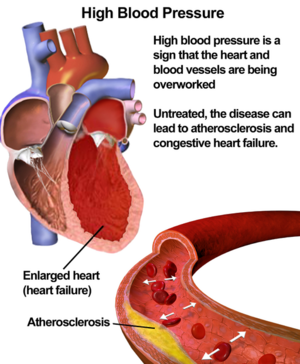
People given beta‐blockers are more likely to have side effects and stop treatment than people taking renin‐angiotensin system inhibitors, but there may be little or no difference in side effects between beta‐blockers and diuretics or calcium‐channel blockers.
Beta‐blockers may reduce the number of strokes, an effect which appears to be similar to that of diuretics. However, beta‐blockers may not be as good at preventing strokes as renin‐angiotensin system inhibitors or calcium‐channel blockers.
Beta‐blockers may make little or no difference to the number of heart attacks among people with high blood pressure.[2]