
Social Determinants of Health
Original Editor - Ewa Jaraczewska based on the course by Cornelia Barth
Introduction
Why do some people live longer, healthier lives than others, even within the same health system? The answer often lies not only in access to healthcare or personal health decisions, but in many interconnected factors. These are known as determinants of health. Examples of determinants of health include genetics, behaviour, the environment, physical influences, medical care, and commercial, structural and social determinants. This page focuses specifically on social determinants of health. You can find out more about determinants of health here.
Social Determinants of Health
Social determinants of health (SDOH) are the non-medical factors that influence health outcomes.[1] They are "the conditions in the environments where people are born, live, learn, work, play, worship, and age that affect a wide range of health, functioning, and quality-of-life outcomes and risks."[2]

People interact with each other in various social systems, including small groups, such as families, and large ones, such as neighbourhoods or cities. Each system is characterised by social norms, values, structures, and controls. Access to resources for members of these systems (e.g. food, shelter, safety, education, employment and healthcare) is variable.[3] This variability can have a strong impact on health outcomes for group members,[4] with research showing that people from lower socioeconomic backgrounds and marginalised, racial or ethnic groups often experience negative health outcomes.[3][5]
According to the World Health Organization, 30-55% of health outcomes can be attributed to social determinants of health.[5]
Examples of Social Determinants of Health
The following social determinants of health can have positive and / or negative impacts on health equity:[1]
- income and social protection
- education
- unemployment and job insecurity
- working conditions
- food insecurity
- housing, basic amenities and the environment
- early childhood development
- social inclusion and non-discrimination
- structural conflict
- access to affordable, quality healthcare services
- transportation[6]
Healthy People 2030 Model
A range of models and frameworks have been developed to explain social determinants of health.[7] For example, the Healthy People 2030 model categorises social determinants of health into five domains: (1) economic stability, (2) education access and quality, (3) healthcare access and quality, (4) neighbourhood and built environment, and (5) social and community context.[8] Various government agencies have utilised this model to examine health inequities and to develop interventions that improve health equity.[7]
Impact of Social Determinants of Health on Access to Rehabilitation and Outcomes
Current research on social determinants of health in rehabilitation tends to focus on specific categories, like ethnicity, social class and living environment, conditions, such as intellectual and developmental disabilities, pain, musculoskeletal, cardiopulmonary and neurological conditions, or rehabilitation disciplines, like occupational therapy, physiotherapy, and speech and language therapy.
Another approach is to look at the relationship between social determinants of health and rehabilitation access, use, and outcomes.[9]
Access: access to rehabilitation services is limited globally. According to data published by the World Health Organization, less than half of people who need rehabilitation from low- and middle-income countries receive adequate care.[10] In high-income countries, various factors, including inadequate insurance cover, living in rural areas, and language barriers, may reduce a person's access to specialised rehabilitation care.[11] Poor living conditions and lifestyle factors (e.g., diet, smoking, etc.) often lead to disability. Disability can impact a person's socioeconomic situation and, for many, can limit access to health and rehabilitation services.[12] Figures 2 and 3 illustrate specific factors that can result in low access to rehabilitation services.
Use: social determinants of health, such as education, place of birth, employment status, location of the hospital where initial care is received, gender, socioeconomic status, etc., can impact rehabilitation uptake for people with different health conditions. They can also influence where this care is received (e.g. rehabilitation facility vs home vs primary care).[13] [14] In low- and middle-income countries, rehabilitation centres are often located in urban areas, limiting options for specialised rehabilitation care for the many people living in rural areas.[15]
Outcomes: the impact of social determinants of health on rehabilitation outcomes is well documented.[16] [7] [17] Poor health outcomes are often seen in under-resourced communities,[16] [17] in communities with limited public transportation and few home health providers,[7] and in low-income communities.[17]
-
 Figure 2. Measurable factors related to low access to rehabilitation
 -
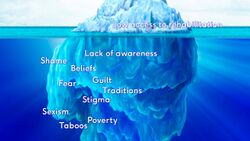 Figure 3. "Hidden" factors of attitudes and beliefs related to low access to rehabilitation


Role of Rehabilitation Professionals in Addressing Social Determinants of Health
Rehabilitation professionals are well-placed to help address modifiable social determinants of health, such as reducing physical inactivity and promoting exercise and healthy behaviours (e.g. stress management and nutrition).[7][18] Rehabilitation professionals can also play a part in helping to influence policy, thus extending their scope of action to socio-cultural, socio-professional and socioeconomic domains (see Figures 4 and 5).[18]
-
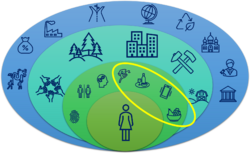 Figure 4. Role of rehabilitation professionals in addressing social determinants of health.
 -
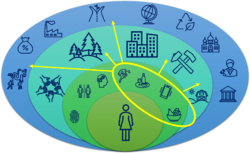 Figure 5. "Expanded" role of rehabilitation professionals in addressing social determinants of health.


The channels through which rehabilitation professionals can influence social determinants of health include: health promotion, patient education, advocacy and interdisciplinary collaboration.[18] Health promotion uses a range of strategies to promote healthy behaviours, such as increasing physical activity, reducing substance misuse, stress management and enhancing nutrition and health literacy. Patient education aims to educate patients about how their social environment affects their health and rehabilitation outcomes. Rehabilitation professionals can advocate for patients facing social barriers by connecting them with community resources or support services. Finally, rehabilitation providers can collaborate with other members of the interdisciplinary team to address a person's social needs.
Providing Optimal Rehabilitation Care in the Context of Social Determinants of Health
"If social determinants of health and the prevalence of disabling health conditions are linked, then three points are key to [providing] optimal rehabilitation care."[18]
- To understand what determinants drive the prevalence and severity of disabling conditions and the specific characteristics of affected persons and populations
- To act accordingly and tailor effective interventions for these populations
- To ask the right questions to advance research
These points are discussed in the following sections.
1. Understanding What Determinants Drive the Prevalence and Severity of Disabling Conditions and the Characteristics of Affected People
Rehabilitation professionals need a comprehensive understanding of the social factors that influence the presence, severity, and distribution of disabling conditions. Understanding these determinants allows rehabilitation professionals to perform more comprehensive assessments that include social and physical factors. They can develop interventions that address root causes, not just symptoms, leading to more sustainable outcomes.
In many countries, research groups or health ministries publish Department of Health data on populations in their respective contexts. Rehabilitation professionals working in those contexts are advised to continuously familiarise themselves with the latest evidence. This knowledge enables rehabilitation professionals to advocate for systemic changes that reduce health inequities within their communities and healthcare systems, collaborate effectively with other health and social service providers to create coordinated care approaches, and contribute to community-level interventions that address social determinants before they manifest as disabling conditions.
Therefore, rehabilitation professionals should (1) recognise the complex nature of social determinants, (2) understand how several specific domains affect their patients, (3) appreciate regional and cultural variations, (4) know specific characteristics of vulnerable populations, and (5) be aware of the economic concerns related to disability.[19][20]
Recognising the Complex Nature of Social Determinants
Rehabilitation professionals need to recognise that health outcomes – including disability – result from a complex interaction of genetic, environmental, and social factors. This broader perspective helps move beyond a purely medical model, supporting more holistic assessment and intervention.[19]
Understanding How Specific Domains Affect Patients
Socioeconomic status, including education, income, and occupation, are crucial determinants that affect disease and rehabilitation outcomes. Lower socioeconomic status often correlates with higher disability rates and poorer rehabilitation outcomes. There may also be underdiagnosis of various medical conditions in lower socioeconomic groups. For example, in Peru, poverty rates are inversely associated with hypertension diagnosis rates – i.e. diagnoses of hypertension decrease as poverty rates increase.[20]
The physical environment significantly impacts disability patterns. Urbanisation influences lifestyle and activity levels. Air pollution is increasingly linked to conditions like insulin resistance, while housing conditions and infrastructure affect accessibility and rehabilitation potential for many patients.[19]
Healthcare access and coverage directly impact diagnosis rates and access to rehabilitation services. The number and distribution of healthcare facilities affect rehabilitation access, as hospital density is positively correlated with diagnosis rates in the research.[20] Cultural and social contexts can also shape how patients engage with rehabilitation services. Language barriers impact care delivery, while people who are socially isolated are more vulnerable to developing chronic conditions and less likely to manage them well.[20]
Appreciating Regional and Cultural Variations
"Rapid urbanisation, worsening air pollution, and distinct socioeconomic structures uniquely influence disease outcomes." [19]
It is crucial for rehabilitation professionals to be aware of contextual and regional variations when it comes to determinants of health. Different regions require specific approaches for their unique challenges and resource limitations.[21]
Understanding Vulnerable Populations
"Unequal healthcare access and outcomes among social groups are common, and vulnerable populations disproportionately bear the brunt of the disease burden."[21]
Understanding which populations in a given region face the greatest barriers to care – and how these barriers affect accessibility, affordability, and cultural relevance – can help rehabilitation professionals tailor their practice more effectively. Recognising how social determinants contribute to cumulative disadvantage further supports the development of context-sensitive and equitable approaches.
Recognising the Economic Concerns Associated with Disability
Conditions like diabetes create substantial economic burdens. Disability-adjusted life years (DALY) represent significant societal costs that affect healthcare systems and families. Prevention and early intervention, which include addressing social determinants of health, can substantially reduce these costs over time.[19]
Assessment Tools for Social Determinants of Health
Identifying and understanding social determinants of health can be challenging, as we lack standardised approaches to screen or assess for these factors. Current tools to assess social determinants of health include:[22]
- Functional Health Patterns Framework: a comprehensive assessment of physical functioning and emotional and social behaviours that affect an individual’s health
- Comprehensive Geriatric Assessment: assesses psychosocial, medical, functional, and environmental needs
- Tilburg Frailty Indicator: addresses various domains of physical, psychological, and social functioning
- Frailty Phenotype Scale: focuses on five physical components of frailty
- Deficit Accumulation Index (Frailty Index): addresses physical and psychological functioning[23]
2. Tailoring Effective Interventions
The following case scenario of a fictional patient illustrates how the rehabilitation team can tailor interventions and advocate for broader community or policy changes to influence social determinants of health.
Case Example
Background: Ahmed is a 29-year-old male patient. Following a workplace accident, Ahmed had a below-knee amputation of his right leg. On discharge home, Ahmed faces numerous challenges in accessing rehabilitation services and reintegrating into his community.
Social determinants of health: several key factors affect Ahmed's rehabilitation journey. Environmental barriers, such as the terrain around his rural community, make mobility challenging with his prosthetic limb. Social and cultural attitudes, including his community's negative perceptions toward disability, reduce Ahmed's social participation and sense of belonging. Transportation issues, such as inadequate public transport services, prevent Ahmed from accessing rehabilitation facilities. Finally, Ahmed experiences educational barriers, as there is limited support from local universities for students with disabilities. This restricts Ahmed's opportunities for academic and vocational advancement.
Rehabilitation challenges: Ahmed also faces a number of access, use and outcome barriers.
Access barriers: Ahmed lives approximately 40km from the nearest rehabilitation centre, and the local roads are rough and difficult to navigate with mobility aids. His community has no accessible public transportation options, and Ahmed cannot afford to pay for regular private transportation to attend his appointments. These geographical and financial factors create substantial barriers for Ahmed to consistently access rehabilitation care.
Usage barriers: when Ahmed is able to attend rehabilitation appointments, his scheduled sessions often conflict with his work hours, forcing him to choose between economic stability and health improvement. Ahmed also experiences fear and anxiety about the stigma associated with using rehabilitation services in public. There is limited follow-up, which impacts Ahmed's ability to exercise and progress his programme consistently.
Outcome barriers: several factors affect Ahmed's rehabilitation outcomes. The prosthetic device provided to him was not designed specifically for his rural environment, reducing its functionality. There is no community-based rehabilitation support available between his clinical visits, so Ahmed has no immediate guidance when facing new challenges in the community. There are also no peer support groups for people with amputations in his community, so he cannot turn to group members for emotional support and practical advice. Additionally, limited employment opportunities in his region affect his financial ability to continue accessing rehabilitation services in the long term.
Potential treatment interventions to address social determinants of health: various approaches could improve rehabilitation access, usage and outcomes for Ahmed.
Improving access: Ahmed’s access to transportation may be improved through collaboration with local non-governmental organisations (NGOs) to develop a voucher system for rehabilitation appointments. Integrating telerehabilitation into his programme would allow him to attend some sessions remotely. Establishing a community-based rehabilitation service – for example, via a mobile unit – could also help bring care closer to his home. In the longer term, rehabilitation professionals can play a key role in advocating for better infrastructure, including accessible pathways and transport options in rural areas.
Enhancing usage: to better accommodate Ahmed’s work schedule, rehabilitation clinics may offer more flexible appointment times, such as evenings or weekends. Involving his family more actively in the rehabilitation process – for example, by training family members to support his exercises at home – can enhance consistency and motivation. Community education workshops in Ahmed’s village may also help to reduce stigma and challenge misconceptions about disability, fostering a more supportive environment.
Improving outcomes: an outcome-oriented approach would start with a detailed assessment of Ahmed’s home and surroundings to identify environmental modifications that can support his independence. Securing a prosthetic limb tailored for rural terrain, with improved durability and stability, is likely to enhance mobility and safety. Building a local or online peer support network for individuals with amputations offers opportunities for emotional support and shared learning. Partnerships with nearby universities may open doors to scholarships or vocational training programmes, expanding Ahmed’s long-term opportunities.
3. Asking the Right Questions to Advance Research
Improving rehabilitation care requires research that is grounded in context – research that both deepens understanding of patient behaviour and evaluates strategies to shift attitudes and increase awareness.[18]
Investigating and Understanding Behaviour
To explore how social determinants shape rehabilitation outcomes, professionals should engage in research that examines how patients interact with health systems in relation to their socioeconomic background. This includes studying how cultural norms influence adherence to rehabilitation plans and how social support networks affect recovery trajectories. Documenting barriers to access, such as housing, transport, and financial insecurity, across diverse populations is also essential for developing more equitable and responsive rehabilitation services.
Evaluating Measures to Change Attitudes and Raise Awareness
Another key area of research involves assessing the impact of training programmes that increase rehabilitation professionals’ awareness of social determinants of health. This includes examining changes in clinical reasoning and practice following the use of social determinants of health screening tools, and evaluating how community partnerships contribute to improved rehabilitation outcomes. Studies can also explore the effects of policy changes on healthcare equity and measure improvements in patient outcomes when social determinants are systematically addressed within rehabilitation services.[18]
Examples of Research Questions for Rehabilitation Practice
When engaging in research that looks at the negative impacts of social determinants of health, rehabilitation professionals can consider questions that identify problems, test solutions, and measure outcomes within the specific context of rehabilitation practice. Based on the research outcome, rehabilitation professionals can develop evidence-based strategies that address the root causes of health disparities in rehabilitation.
The following are examples of research questions:
- How does housing insecurity affect adherence to home exercise programmes, and what interventions can improve outcomes for patients with unstable housing?[24]
- To what extent does transportation access predict attendance at outpatient rehabilitation appointments, and can telerehabilitation effectively bridge this gap?[25]
- What is the relationship between food insecurity and functional recovery in post-stroke patients, and how can rehabilitation programmes address nutritional needs?[26]
- How do social isolation and lack of caregiver support influence rehabilitation outcomes in older adults, and what community-based interventions are most effective?[27]
- What screening tools most effectively identify social barriers in rehabilitation settings, and how does systematic screening impact treatment planning and outcomes?
- How do health literacy levels impact patients' understanding and implementation of rehabilitation protocols, and what communication strategies improve outcomes across literacy levels?[28]
- What is the comparative effectiveness of individual versus systems-level interventions in mitigating the impact of social determinants of health on rehabilitation outcomes?[29]
- How does incorporating cultural competence training for rehabilitation professionals affect patient engagement and functional outcomes in diverse communities?[30]
Resources
- Determinants of health
- Social determinants of health
- Integrating the social determinants of health into health workforce education and training
- Barth CA, Donovan-Hall M, Blake C, Jahan Akhtar N, Capo-Chichi JM, O'Sullivan C. A focus group study to understand the perspectives of physiotherapists on barriers and facilitators to advancing rehabilitation in low-resource and conflict settings. Int J Environ Res Public Health. 2021 Nov 16;18(22):12020.
References
- ↑ 1.0 1.1 Social determinants of health. World Health Organization. Geneva. Available from https://www.who.int/health-topics/social-determinants-of-health (accessed 12 March 2025).
- ↑ Healthy People 2030. Social Determinants of Health. Available from: https://odphp.health.gov/healthypeople/priority-areas/social-determinants-health (accessed 25 March 2025).
- ↑ 3.0 3.1 Bhavnani SK, Zhang W, Bao D, Raji M, Ajewole V, Hunter R, Kuo YF, Schmidt S, Pappadis MR, Smith E, Bokov A, Reistetter T, Visweswaran S, Downer B. Subtyping Social Determinants of Health in All of Us: Network Analysis and Visualization Approach. medRxiv [Preprint]. 2023 Aug 11:2023.01.27.23285125.
- ↑ Hahn RA. What is a social determinant of health? Back to basics. J Public Health Res. 2021 Jun 23;10(4):2324.
- ↑ 5.0 5.1 Williams JN, Drenkard C, Lim SS. The impact of social determinants of health on the presentation, management and outcomes of systemic lupus erythematosus. Rheumatology (Oxford). 2023 Mar 29;62(Suppl 1):i10-i14.
- ↑ Starbird LE, DiMaina C, Sun CA, Han HR. A systematic review of interventions to minimize transportation barriers among people with chronic diseases. J Community Health. 2019 Apr;44(2):400-411.
- ↑ 7.0 7.1 7.2 7.3 7.4 Mormer ER, Berkeley SBJ, Johnson AM, Ressel K, Zhang S, Pastva AM, Bushnell CD, Duncan P, Freburger JK. Social Determinants of Health and the Use of Community-Based Rehabilitation Following Stroke: Methodologic Considerations. Arch Rehabil Res Clin Transl. 2024 Jul 18;6(3):100358.
- ↑ Health Policy. Available from https://odphp.health.gov/healthypeople/objectives-and-data/browse-objectives/health-policy [last access 13.03.2025]
- ↑ Wickstrom J, Leone EJ, Sasson N, Morris HC, Livinski AA, Camarillo ND, Lely J, Venkatarajan R, Goldberg J, Asante-Otoo A, Rasch EK. Impact of social determinants of health on rehabilitation service use and outcomes in adults in the USA: a scoping review protocol. BMJ Open. 2024 Nov 27;14(11):e087254.
- ↑ Rehabilitation. World Health Organization. 2021. Available from: https://www.who.int/news-room/fact-sheets/detail/rehabilitation [last access 26.03.2025]
- ↑ Jain S, Murphy TE, Falvey JR, Leo-Summers L, O'Leary JR Jr, Zang E, Gill TM, Krumholz HM, Ferrante LE. Social Determinants of Health and Delivery of Rehabilitation to Older Adults During ICU Hospitalization. JAMA Netw Open. 2024 May 1;7(5):e2410713.
- ↑ Bright T, Wallace S, Kuper H. A Systematic Review of Access to Rehabilitation for People with Disabilities in Low- and Middle-Income Countries. Int J Environ Res Public Health. 2018 Oct 2;15(10):2165.
- ↑ Bonilha HS, Ma T, Prabhakaran S, Bhadsavle LJ, Belagaje SR, Blanke D, Henriquez L, Starnes D, Christopher H, Cabral J, Walczak T. The impact of social determinants of health on stroke rehabilitation service utilisation measured during acute stroke hospitalisation. Topics in Stroke Rehabilitation. 2025 Feb 20:1-8.
- ↑ Braaten AD, Hanebuth C, McPherson H, Smallwood D, Kaplan S, Basirico D, Clewley D, Rethorn Z. Social determinants of health are associated with physical therapy use: a systematic review. Br J Sports Med. 2021 Nov;55(22):1293-1300.
- ↑ Kayola G, Mataa MM, Asukile M, Chishimba L, Chomba M, Mortel D, Nutakki A, Zimba S, Saylor D. Stroke rehabilitation in low-and middle-income countries: challenges and opportunities. American journal of physical medicine & rehabilitation. 2023 Feb 1;102(2S):S24-32.
- ↑ 16.0 16.1 Barth CA, Donovan-Hall M, Blake C, Akhtar NJ, Al-Barawi S, Kazibwe H, O'Sullivan C. "Otherwise … he will be a beggar": a focus group study to understand the Perspectives of physiotherapists about measuring rehabilitation outcomes and impact in low-resource and conflict-affected settings. Disabil Rehabil. 2024 Jul;46(14):3048-3059.
- ↑ 17.0 17.1 17.2 Covell MM, Naik A, Shaffer A, Cramer SW, Alan N, Shabani HK, Rabiel H, Rosseau G, Arnold PM. Social Determinants of Health Impact Spinal Cord Injury Outcomes in Low- and Middle-Income Countries: A Meta-Epidemiological Study. Neurosurgery. 2023 Nov 14.
- ↑ 18.0 18.1 18.2 18.3 18.4 18.5 Barth C. Social Determinants of Health Course. Plus, 2025.
- ↑ 19.0 19.1 19.2 19.3 19.4 Sung K, Lee SH. Social determinants of health and type 2 diabetes in Asia. J Diabetes Investig. 2025 Mar 18.
- ↑ 20.0 20.1 20.2 20.3 Herrera-Añazco P, Amaya E, Atamari-Anahui N, Ccorahua-Rios M, Hernandez AV. Association between social determinants of health and trends in the prevalence of hypertension in patients of the Peruvian Ministry of Health. Trop Med Int Health. 2019 Dec;24(12):1434-1441.
- ↑ 21.0 21.1 Jimoh A, Aminu K, Muchabveyo B. Social Determinants of Health in Africa in Sooryamoorthy R and Khalema NE (eds), The Oxford Handbook of the Sociology of Africa 2023; online edn, Oxford Academic.
- ↑ White-Williams C, Rossi LP, Bittner VA, Driscoll A, Durant RW, Granger BB, Graven LJ, Kitko L, Newlin K, Shirey M; American Heart Association Council on Cardiovascular and Stroke Nursing; Council on Clinical Cardiology; and Council on Epidemiology and Prevention. Addressing Social Determinants of Health in the Care of Patients With Heart Failure: A Scientific Statement From the American Heart Association. Circulation. 2020 Jun 2;141(22):e841-e863.
- ↑ Mitnitski A, Rockwood K. Aging as a process of deficit accumulation: its utility and origin. Interdiscip Top Gerontol. 2015;40:85-98.
- ↑ Argent R, Daly A, Caulfield B. Patient Involvement With Home-Based Exercise Programs: Can Connected Health Interventions Influence Adherence? JMIR Mhealth Uhealth. 2018 Mar 1;6(3):e47.
- ↑ Syed ST, Gerber BS, Sharp LK. Traveling towards disease: transportation barriers to health care access. J Community Health. 2013 Oct;38(5):976-93.
- ↑ Frier A, Barnett F, Devine S. The relationship between social determinants of health, and rehabilitation of neurological conditions: a systematic literature review. Disabil Rehabil. 2017 May;39(10):941-948.
- ↑ National Academies of Sciences, Engineering, and Medicine; Division of Behavioral and Social Sciences and Education; Health and Medicine Division; Board on Behavioral, Cognitive, and Sensory Sciences; Board on Health Sciences Policy; Committee on the Health and Medical Dimensions of Social Isolation and Loneliness in Older Adults. Social Isolation and Loneliness in Older Adults: Opportunities for the Health Care System. Washington (DC): National Academies Press (US); 2020 Feb 27. 7, Role of the Health Care System. Available from: https://www.ncbi.nlm.nih.gov/books/NBK557964/ [last access 7.5.2025]
- ↑ Voigt-Barbarowicz M, Dietz G, Renken N, Schmöger R, Brütt AL. Patients' Health Literacy in Rehabilitation: Comparison between the Estimation of Patients and Health Care Professionals. Int J Environ Res Public Health. 2022 Mar 16;19(6):3522.
- ↑ Andermann A; CLEAR Collaboration. Taking action on the social determinants of health in clinical practice: a framework for health professionals. CMAJ. 2016 Dec 6;188(17-18):E474-E483.
- ↑ Lewis A, Bethea J, Hurley J. Integrating cultural competency in rehabilitation curricula in the new millennium: keeping it simple. Disabil Rehabil. 2009;31(14):1161-9.